 Chat with Us

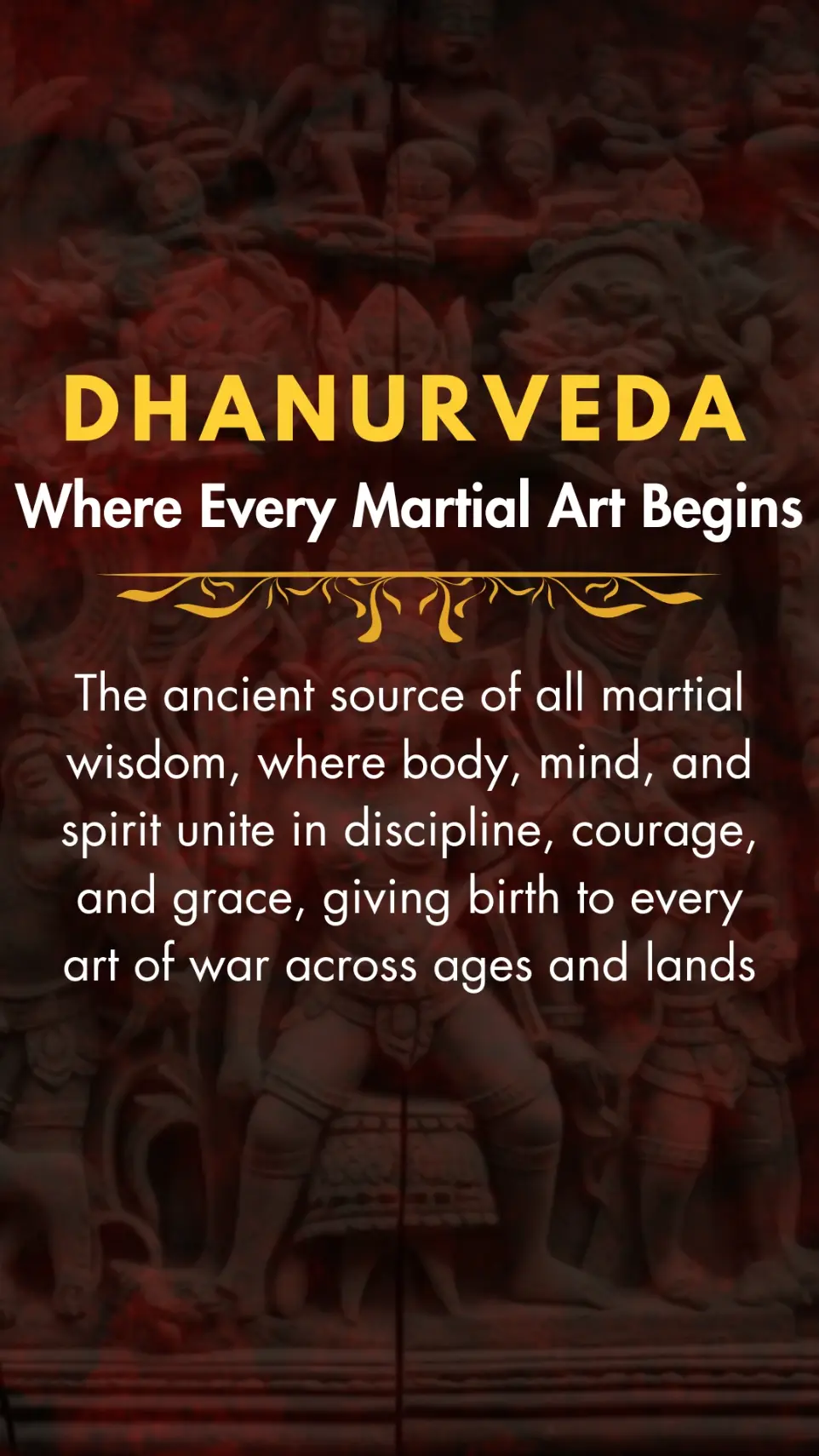

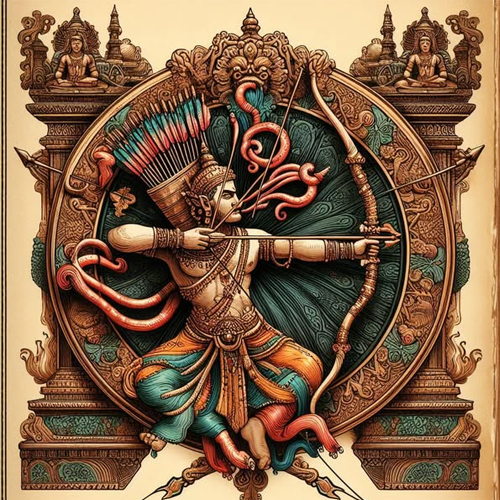
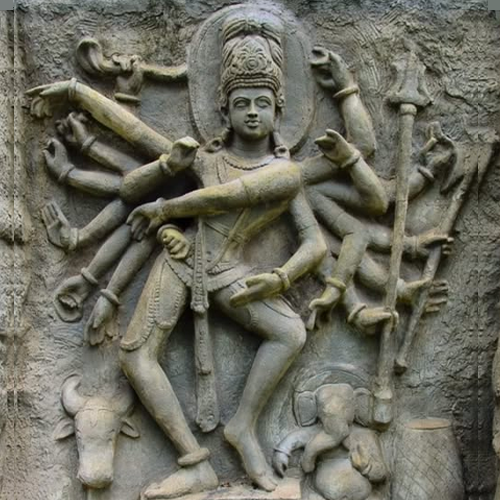
Dhanurveda is literally translated as "the knowledge of the bow", with "Dhanu" meaning bow and "Veda" meaning knowledge. One can find this classical martial art mentioned time and time again in ancient Vedic literature, such as the Ithihaasas (namely, the Mahabharatam and Ramayanam) and Puraanas. Dhanurveda seemed to have served the purpose of training warriors in warfare and protecting society from animals/enemies; however, it also outlined yuddha neethi, or the morals of combat in the context of a civilization that placed Dharma, or righteousness, at the forefront of their societal ideals. Thus, it was ensured that those who wielded great physical fortitude and divine weapons had an equally strong sense of wellbeing and mental health so as to be responsible with their strengths.
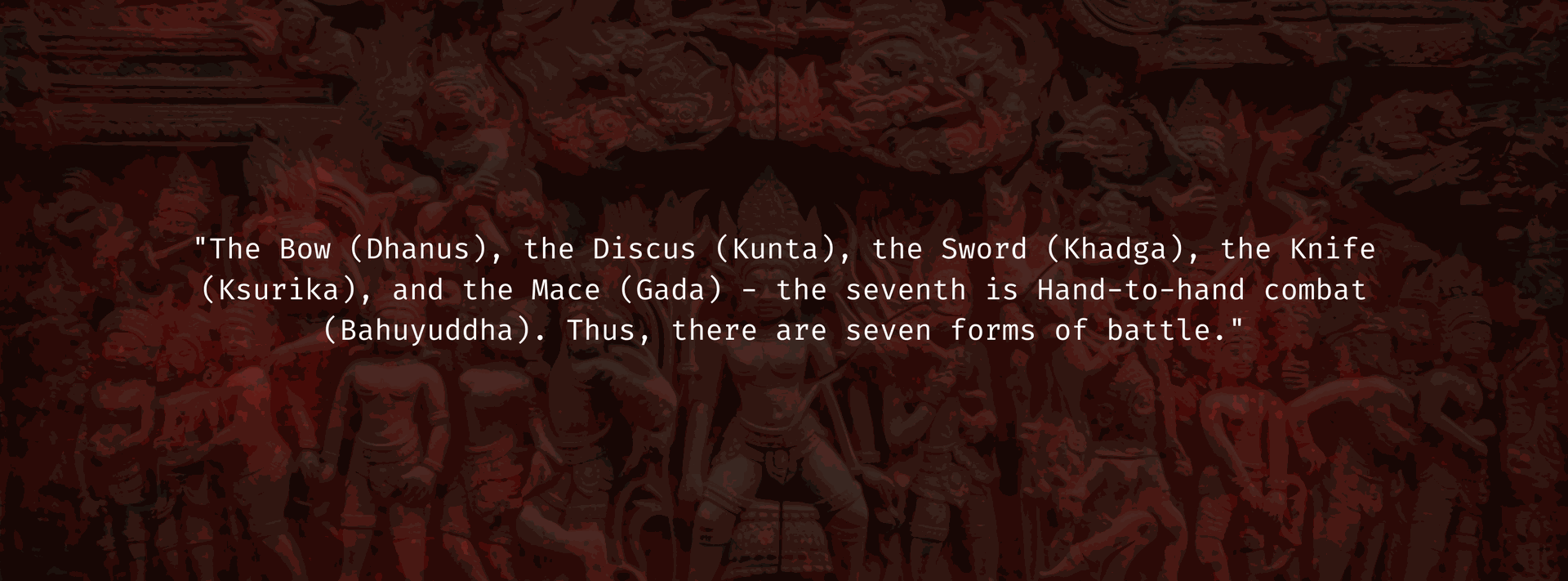
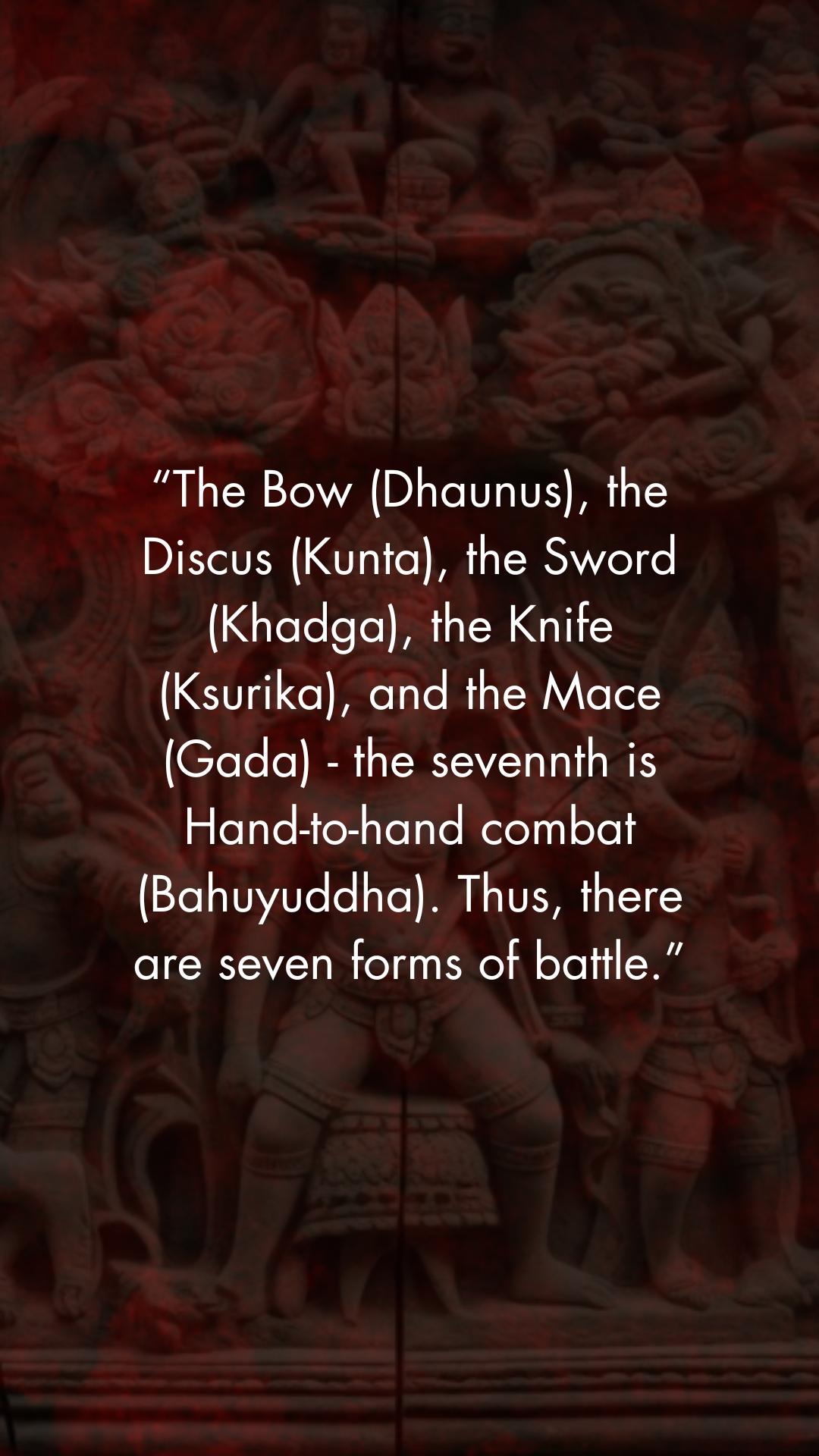
Dhanurveda included in it the knowledge of shastras (i.e., conventional weapons) and astras (i.e., divine weapons yielding supernatural effects). While the knowledge of astraas has all but disappeared in the Kali Yuga and is seldom spoken of to the masses, our mission at ISVA is to revive the knowledge of conventional weapons. The seven conventional weapons are: Dhanus (Bow), Khadga (Sword), Kuntha (Spear), Gada (Mace), Chakra (Discus), Kshurika (Dagger) and Malla (Wrestling).
The learning of each weapon involves unique postures, forms and techniques that are vital to the evolution of the practitioner's technique and individual personality. Today, while Dhanurveda has been largely lost, its impact can be seen on later styles of martial arts that were developed in India such as Varma Kalai, Gatka, Silambam, Mardani Khel, Kalaripayattu and Kusthi- which have themselves influenced and shaped foreign styles of martial arts such as Kung Fu. Truly speaking, Dhanurveda must be considered 'the mother of all martial arts'.








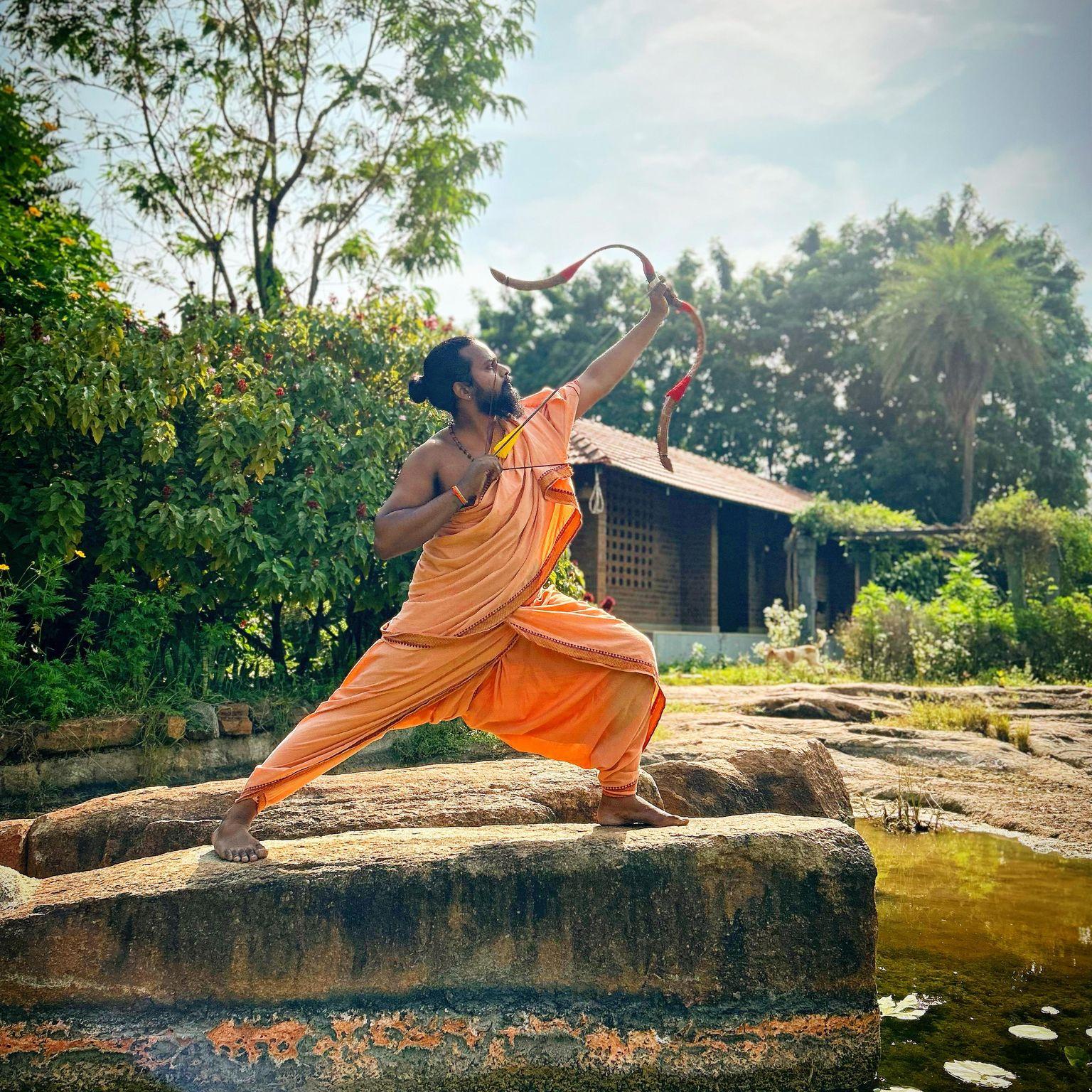
Dhanurvidya Camp
Explore the ancient art of archery. Learn the techniques and disciplines that warriors once mastered to defend kingdoms.
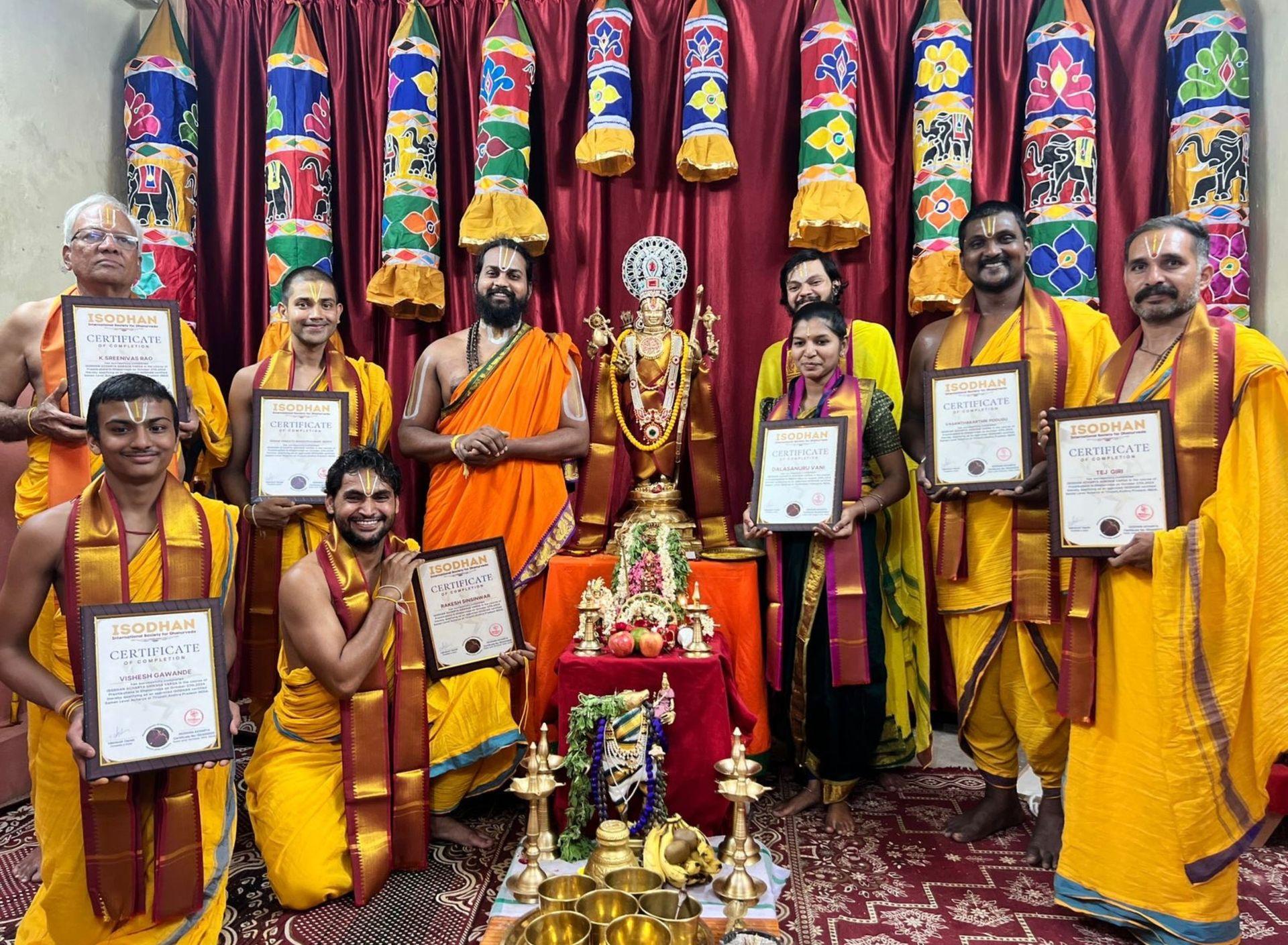
DHAURVIDYA ACHARYA (TEACHER) CAMPS
Master the deeper wisdom of Archery. Learn to guide students, uphold traditions, and carry forward the guru–Shishya legacy.
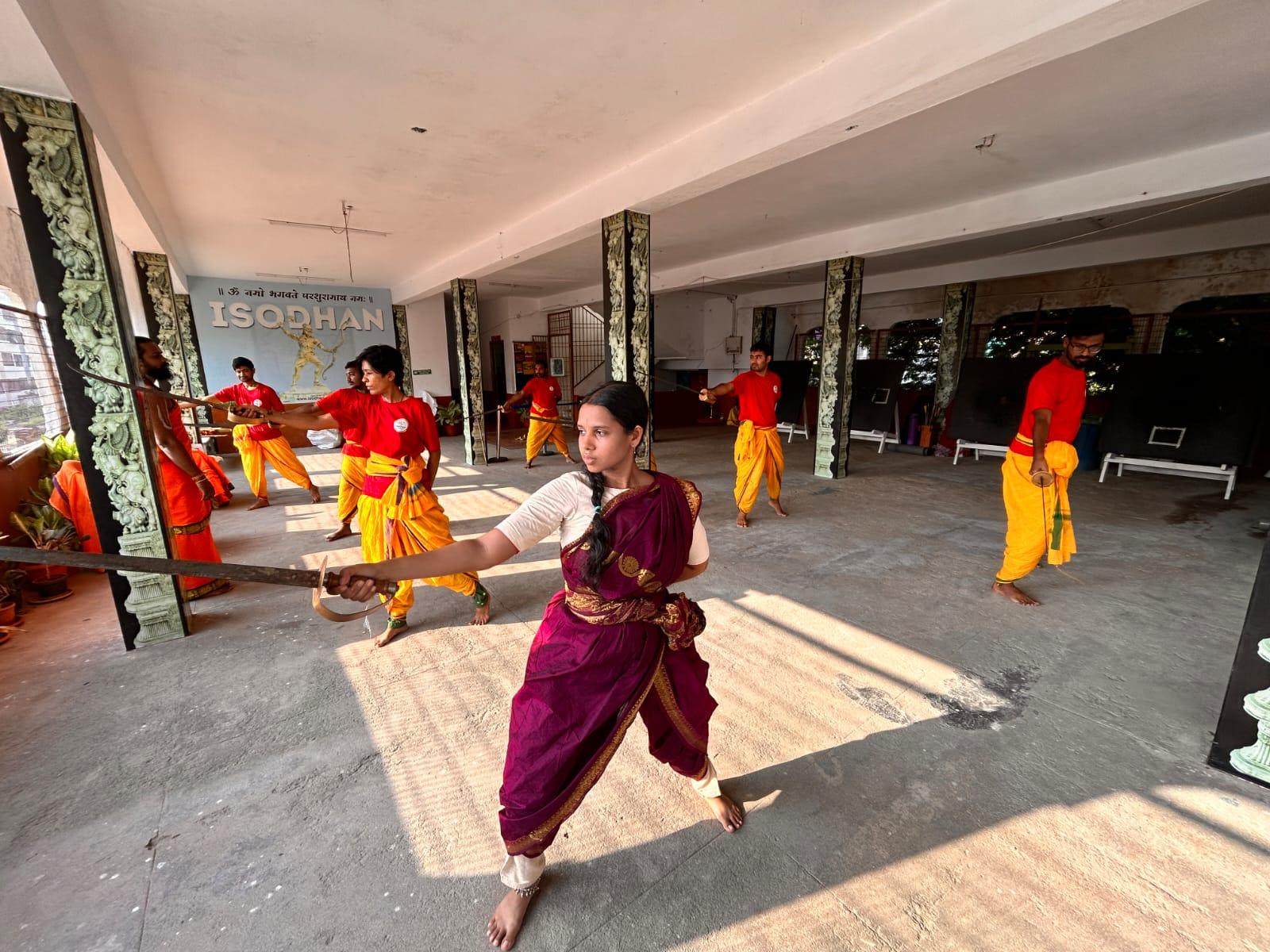
Khadga Vidya Camp
Learn the fine art of swordsmanship, honing your skills in close combat with traditional weaponry.